Bain's Kloof Pass
R301, between Wellington and the Breede River valley at Wolseley
Andrew Geddes Bain’s 1853 masterpiece: 27 km of hand-packed stone and 101 bends over the Limietberg, still riding on its original walls.
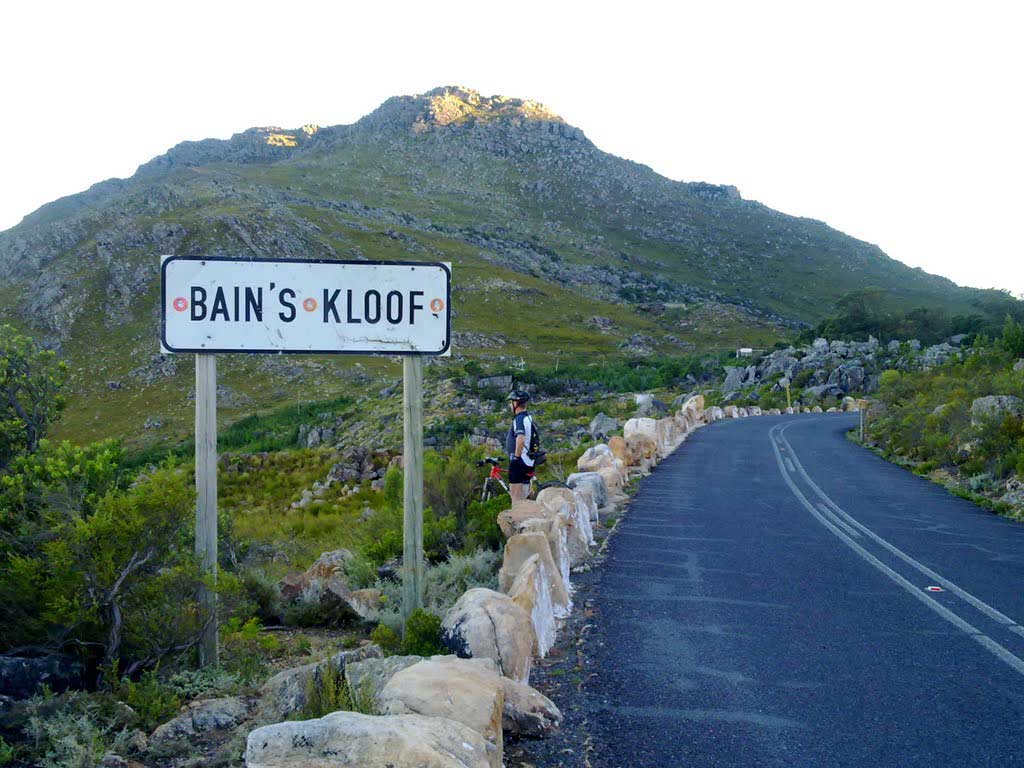
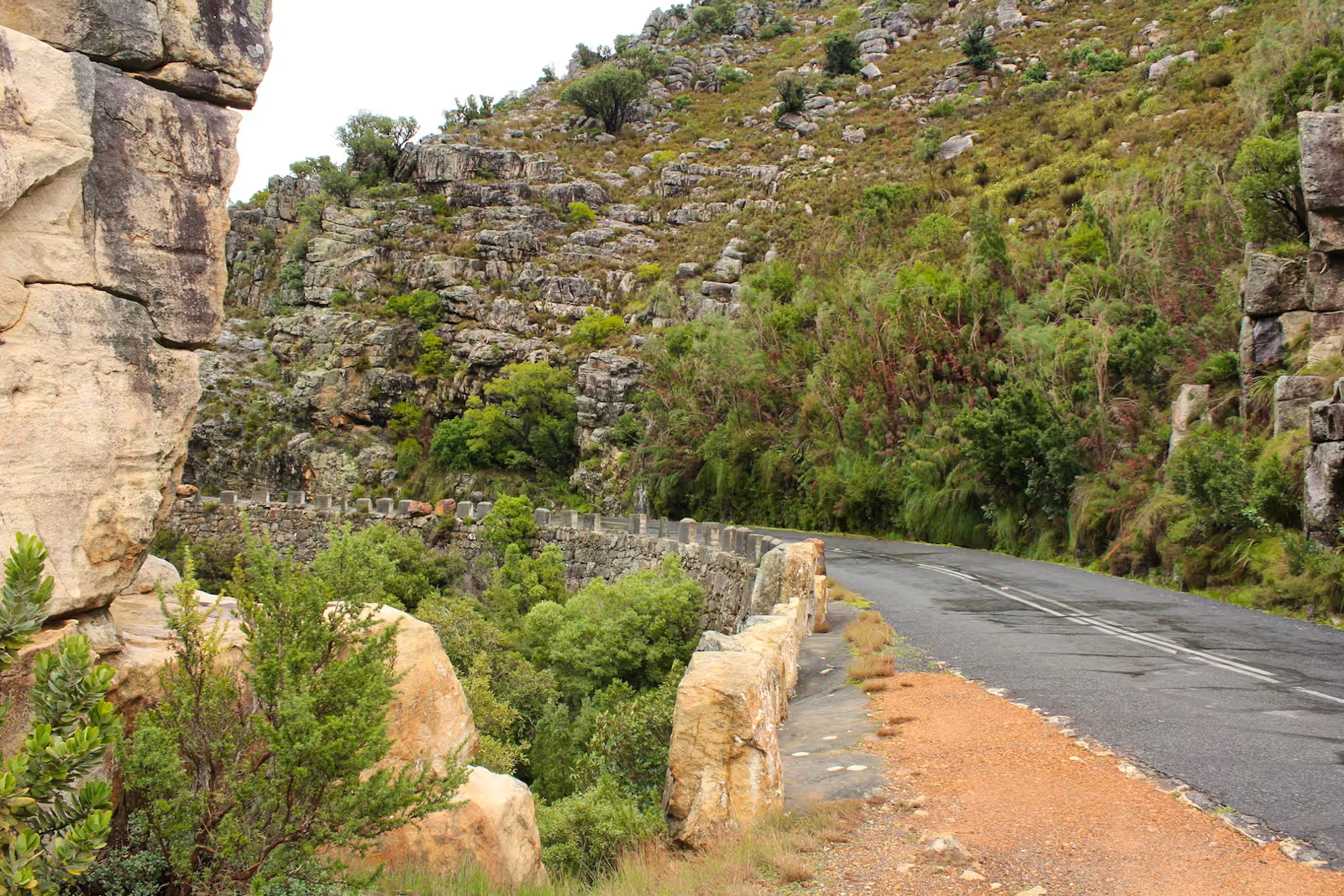
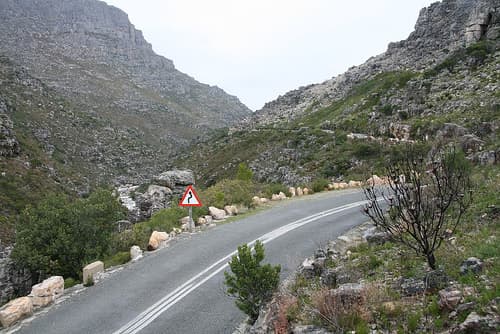
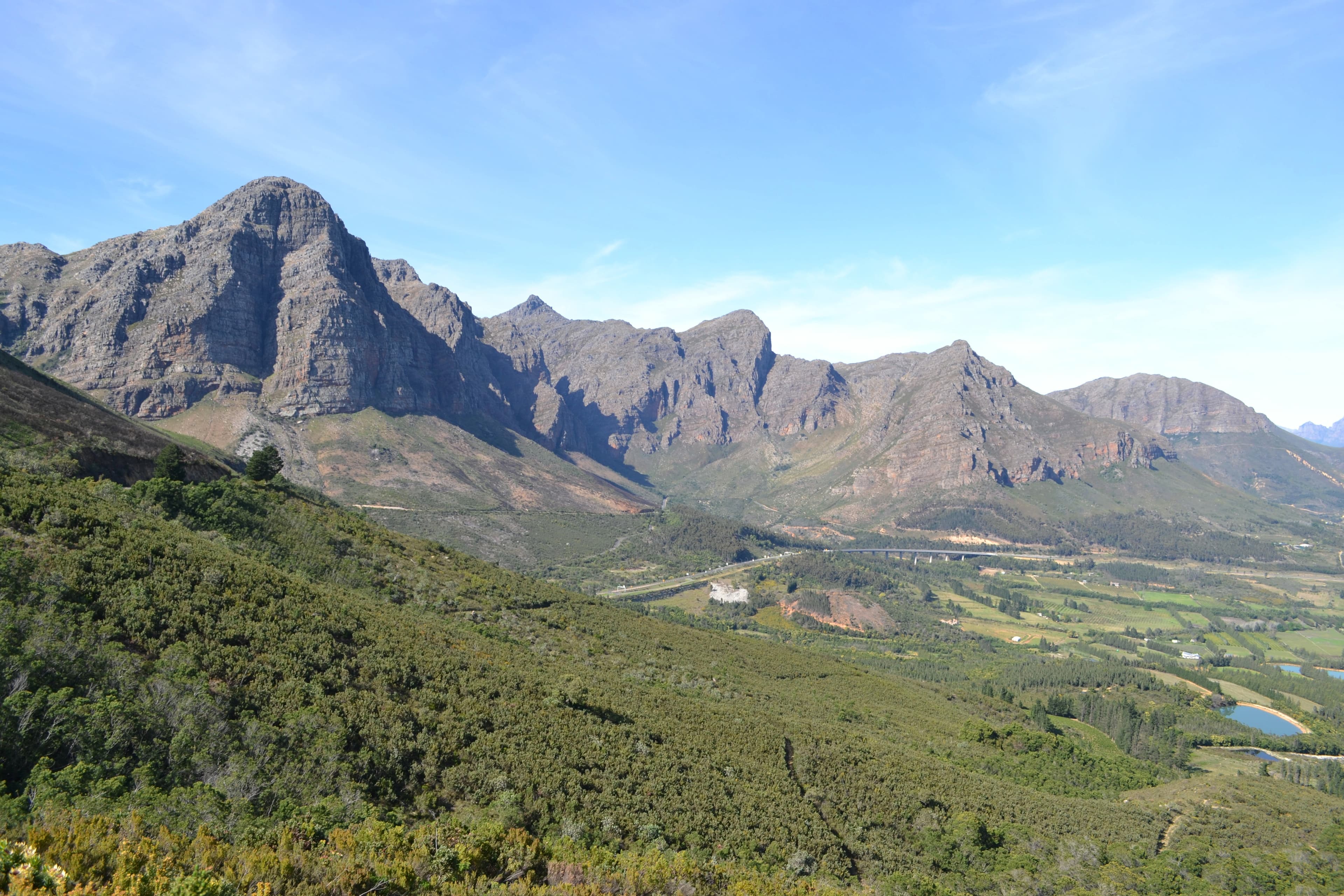
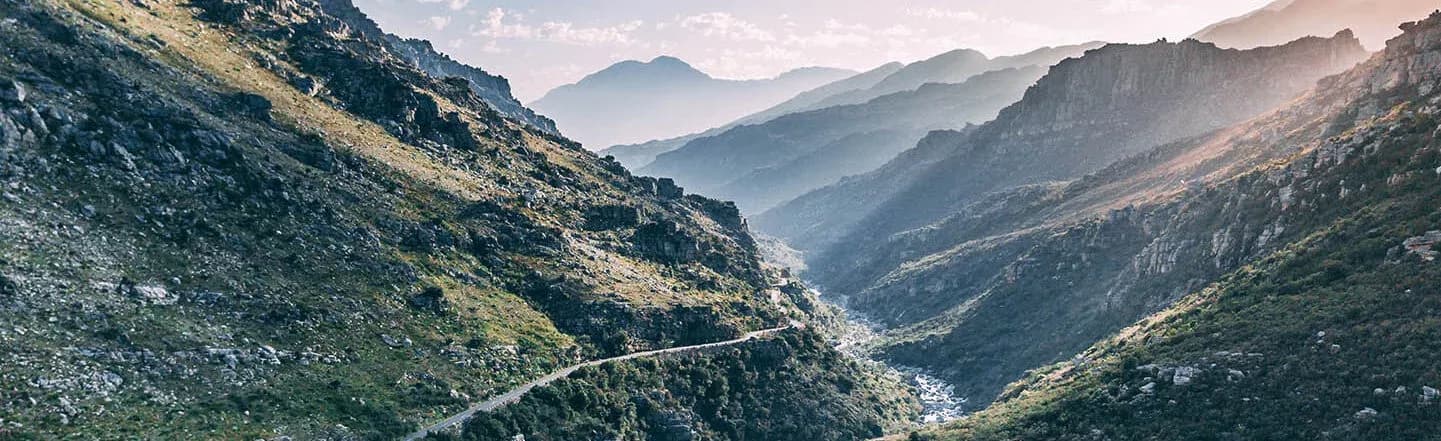
Built between 1849 and 1853, Bain's Kloof is the signature work of Andrew Geddes Bain, the self-taught road engineer remembered as the father of South African geology. With teams of up to 450 convicts at a time (about a thousand men over the four years), Bain blasted and hand-packed a road through the Limietberg, holding it to the cliffs with massive dry-stone retaining walls, some twenty metres high, that still carry the traffic today.
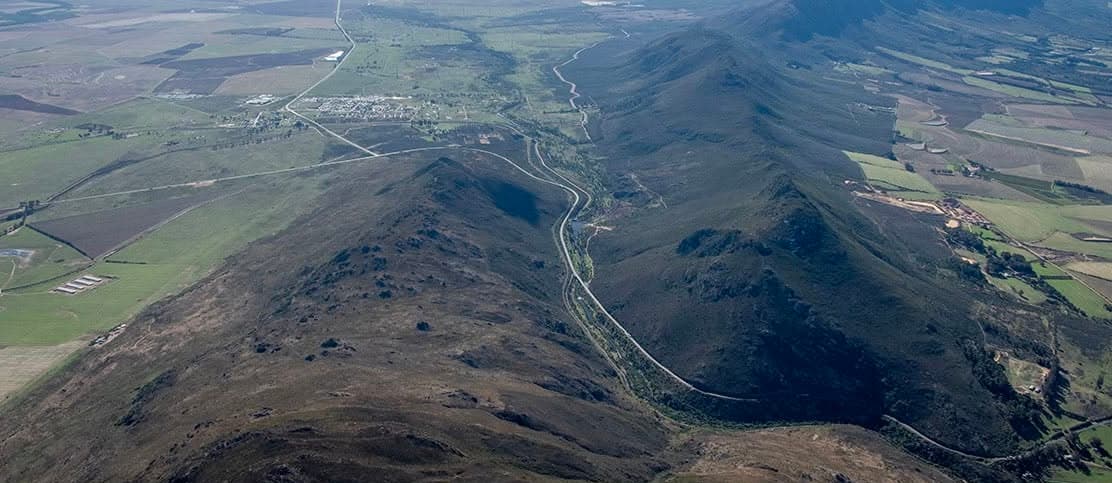
For close on a century this was one of the main roads into the South African interior, and it has never been fundamentally rebuilt: the R301 still follows Bain's original alignment, which is why the whole pass was declared a National Monument in 1980.
Driving it from Wellington to the Wolseley side takes you through 101 bends over 27 kilometres, past landmarks like Dacres Pulpit and the little village of Bainskloof at the summit, with mountain pools on the Witte River below. Allow a good 45 minutes with stops: this is a road for savouring, not for hurrying.